ISFO 2025丨International Organoid Conference
With the theme "Unleash Boundless Innovation, March Towards New Horizons.", the conference brought together nearly 1,000 leading experts, scholars, and industry leaders in the field of organoids from around the world. Through in-depth discussions on cutting-edge advances, clinical translation, and interdisciplinary collaboration in organoid technology, the event injected new momentum into the global development of organoid research.
Details
From May 9 to 10, 2025, the International Organoid Conference (ISFO 2025), co-hosted by the International Society for Organoid (ISFO), the State Key Laboratory of Genetic Regulation of Complex Traits, and the Fudan Cao'ejiang Innovation Center, was grandly held at Fudan University's Jiangwan Campus.
With the theme "Innovation Without Limits: Forge New Paths", the conference brought together nearly 1,000 leading experts, scholars, and industry leaders in the field of organoids from around the world. Through in-depth discussions on cutting-edge advances, clinical translation, and interdisciplinary collaboration in organoid technology, the event injected new momentum into the global development of organoid research.
01 A Gathering of Minds: Shaping the Future of Organoids
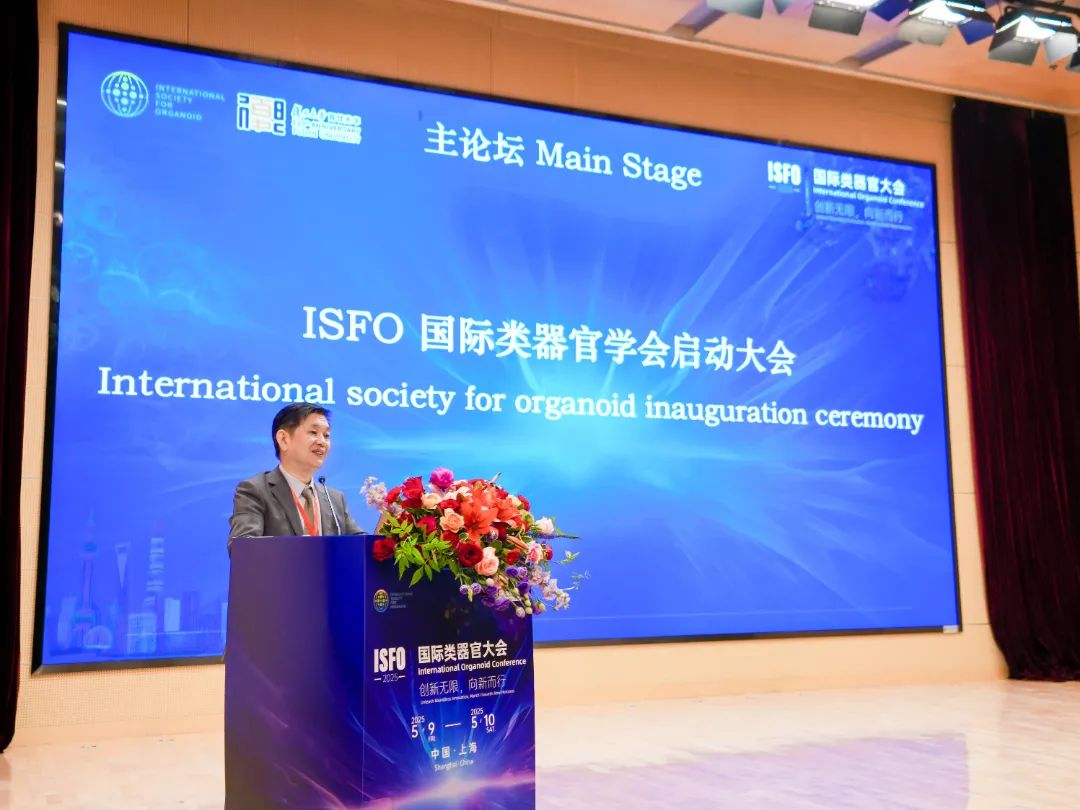
The conference commenced with opening remarks by Professor Xinhua Lin, Director of the Fudan Cao'ejiang Innovation Center, Executive Dean of the Precision Medicine Research Institute of Greater Bay Area (Fudan University), and Executive Director of the State Key Laboratory of Genetic Regulation of Complex Traits, marking the beginning of this prestigious international academic event.
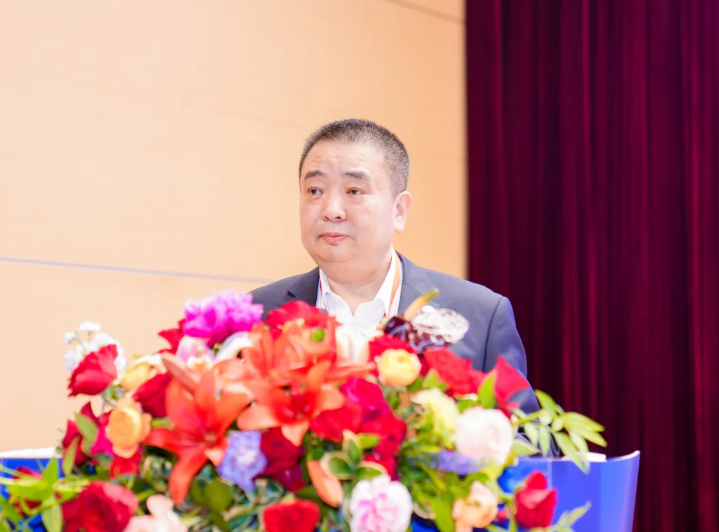
Following the opening, Professor Jin Li, President of Fudan University and Academician of the Chinese Academy of Sciences, delivered a welcome address. He warmly greeted global participants and emphasized the pivotal role of organoid technology in advancing life sciences and medicine.
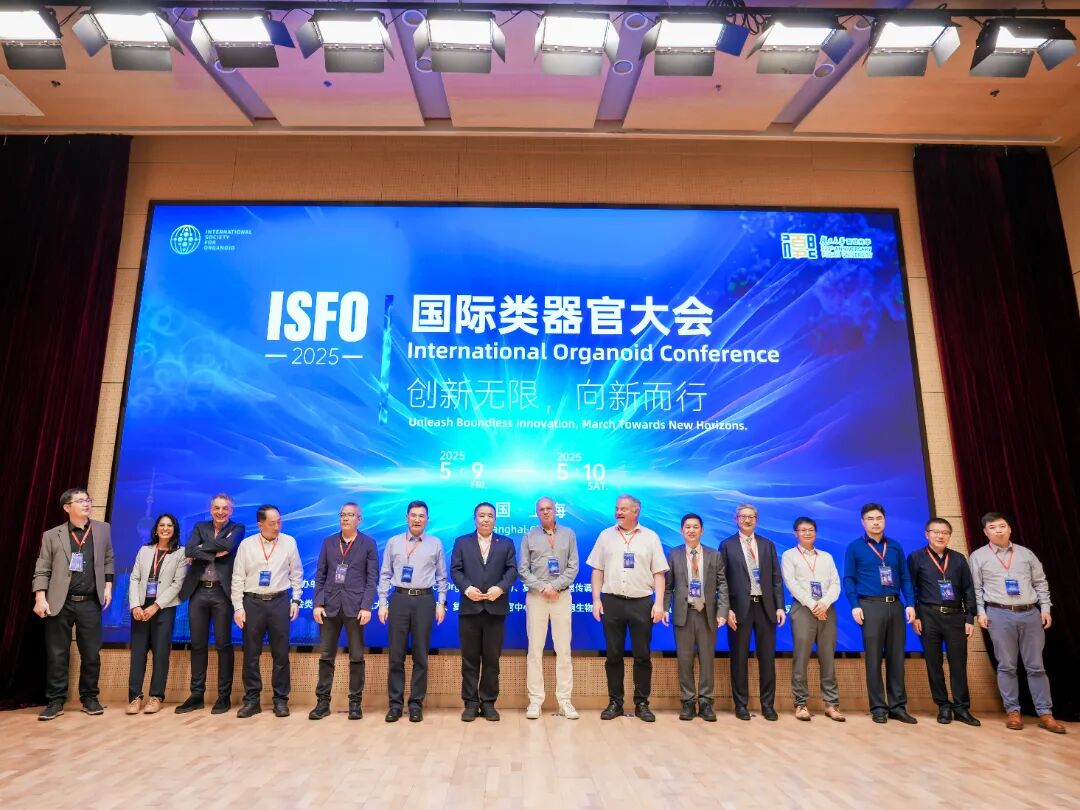
After the address, Professor Lin announced the official launch of the International Society for Organoid (ISFO) — a non-profit, globally authoritative organization dedicated to accelerating the development and application of organoid technologies. Bringing together world-leading scientists, clinicians, and industry leaders, ISFO is committed to advancing organoid research and its applications.
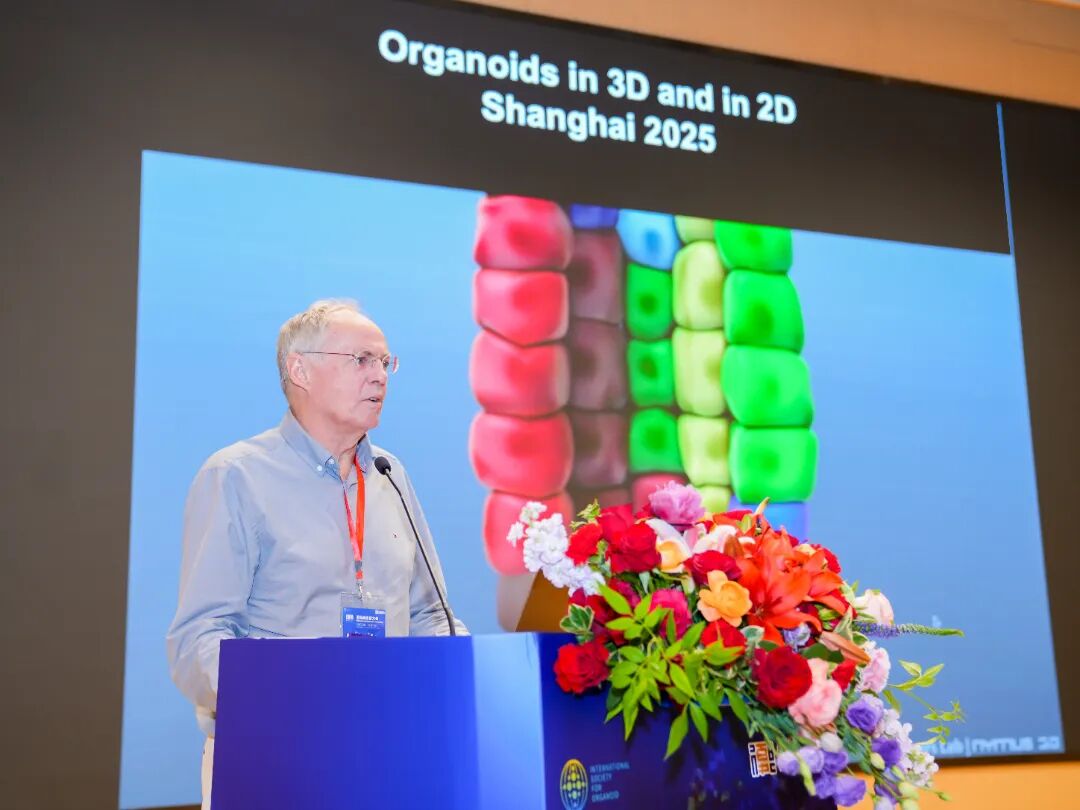
Professor Hans Clevers, Foreign Member of the French Academy of Sciences, Foreign Member of the U.S. National Academy of Sciences, Member of the European Academy of Sciences, and Member of the Royal Netherlands Academy of Arts and Sciences (KNAW), delivered a keynote speech titled "Human Organoids in 3D and 2D." He traced the development from mouse to human small intestinal organoids, introduced the human-specific BEST4+ cell population, and revealed the formation conditions of these cells through screening and genetic manipulation. Inspired by bacterial infection, his team identified a peptide that activates integrins, enabling chemically defined, matrix-component-controlled organoid culture in both 2D and 3D hydrogels.
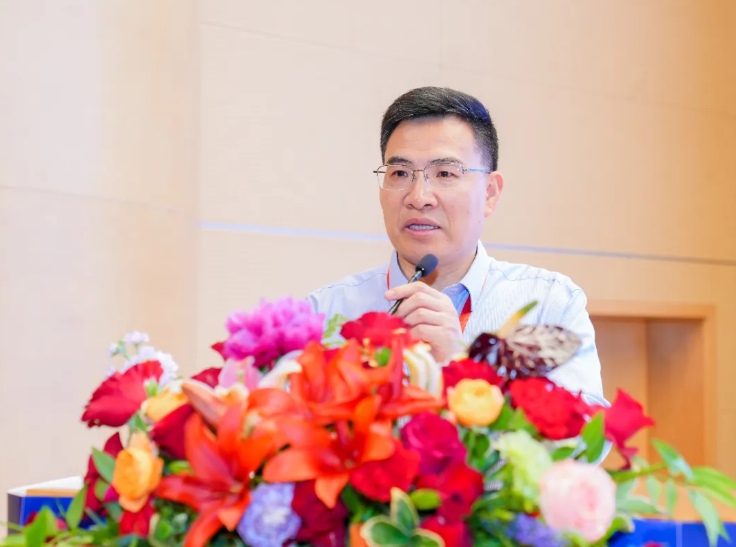
Professor Shaorong Gao, Academician of the Chinese Academy of Sciences, presented a talk titled "Simulating Peri- and Post-Implantation Development Using Stem Cell-Derived Embryoids." His research focuses on modeling human embryonic development around implantation using stem cell-derived embryoid structures. By employing in vitro embryoid cultures, his team identified key transcription factors influencing transient bivalency at promoter regions during early development. This work lies at the frontier of developmental biology and organoid technology, offering new avenues to bypass ethical and technical constraints of traditional embryo research.
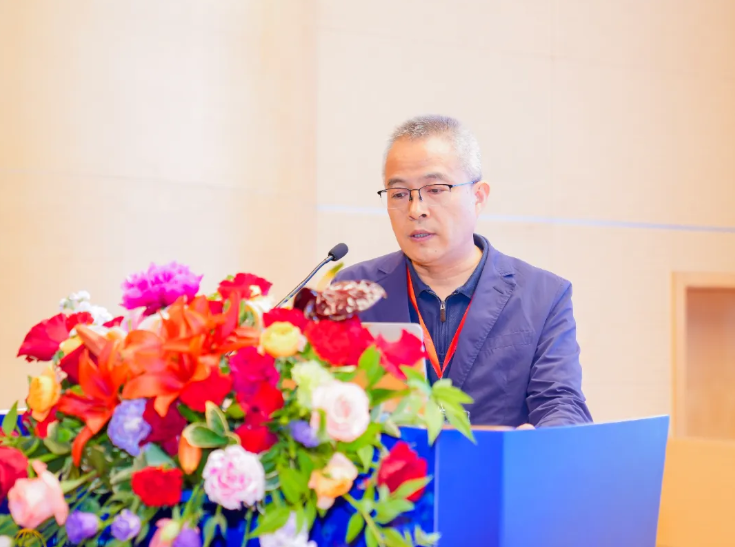
Professor Jinsong Li, Academician of the Chinese Academy of Sciences, delivered a keynote on "Semi-Cloning Technology: Establishment and Applications." He introduced semi-cloning technology mediated by fertile satellite stem cells, which pushes the boundaries of traditional mouse genetic modification. This technology has proven instrumental in gene screening and redundancy studies, and also enables chromosome-level integrity research. It offers broad applications in genetic editing, disease modeling, reproductive medicine, and evolutionary biology.
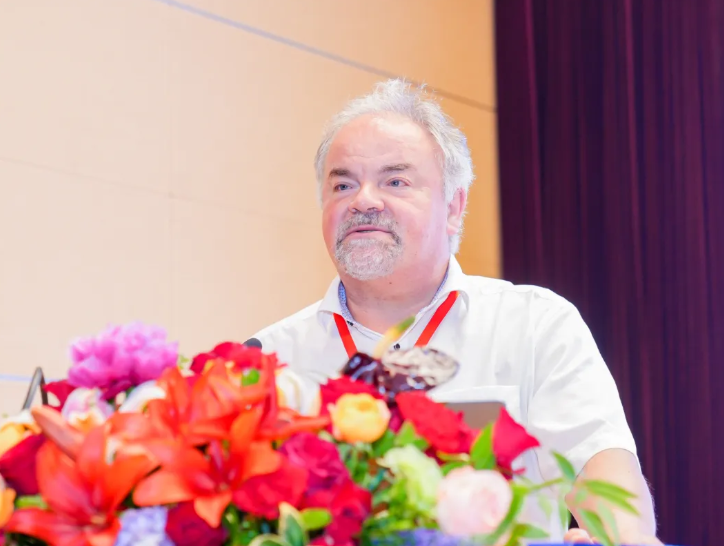
Professor Jürgen Knoblich, EMBO Member, EMBO Council Member, Member of the Pontifical Academy of Sciences, Member of the European Academy of Sciences, and Member of the Austrian Academy of Sciences, presented a talk titled "Cerebral Organoids: Modelling Human Brain Development and Disease in Stem Cell Derived 3D Culture." He highlighted the unique advantages of human PSC-derived brain organoids in studying species-specific diseases. His team applied CRISPR-based systematic screening to identify risk genes in neurodevelopmental disorders and conducted in-depth studies of gene regulatory networks, offering new insights into the pathogenesis of human diseases.
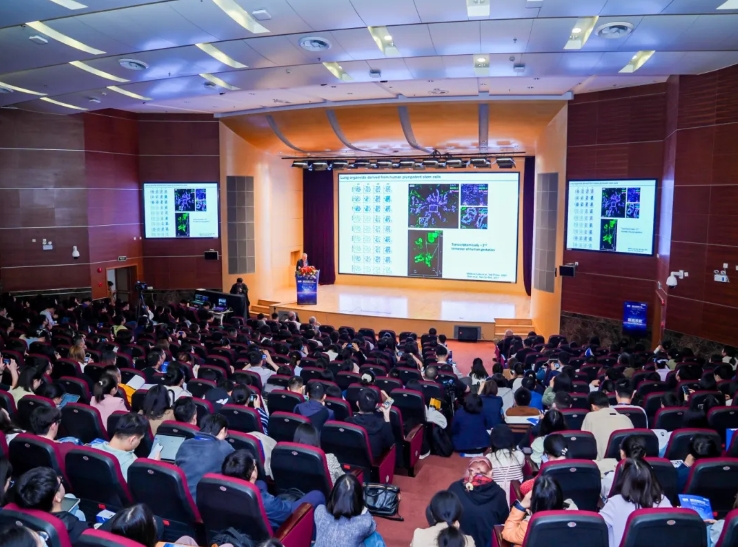
In addition, dozens of distinguished researchers from institutions including Columbia University, Cold Spring Harbor Laboratory, the Chinese Academy of Sciences, and Tongji University engaged in deep academic exchanges and presentations on organoid basic research, disease modeling, drug discovery, and clinical translation—delivering a rich academic feast for all attendees.
02 Five Forums: Spotlight on Cutting-Edge Frontiers
Focusing on major scientific questions in the organoid field, the conference featured prominent scholars including Academicians Hans Clevers, Gaosong Zhao, and Jinsong Li, who explored 3D/2D models, cerebral organoids, pulmonary fibrosis models, and other advanced research directions. The event comprised one main forum and five parallel sub-forums (A through E), covering the entire spectrum of organoid technology development.
- Forum A: Advances and Technological Innovations in Basic Organoid Research
- Forum B: Organoid Disease Models Empowering Drug Discovery
- Forum C: Clinical Translation and Regenerative Medicine in Organoids
- Forum D: Interdisciplinary Collaboration in Organoids and Tissue Engineering
- Forum E: Future Directions of Organoid Research — Policy, Standardization, and Automation
Dr. Sheila Chari, Editor-in-Chief, was invited to share insights on peer review logic, academic narrative construction, and interdisciplinary trends for high-impact journal publications. Her session helped young researchers sharpen their academic focus and enhance their global scholarly influence.
The conference also received over 100 abstracts and posters on organoid-related research. Outstanding contributions were recognized with the Best Abstract Award and Best Poster Award, celebrating the innovative achievements of early-career scientists and injecting fresh energy into the field.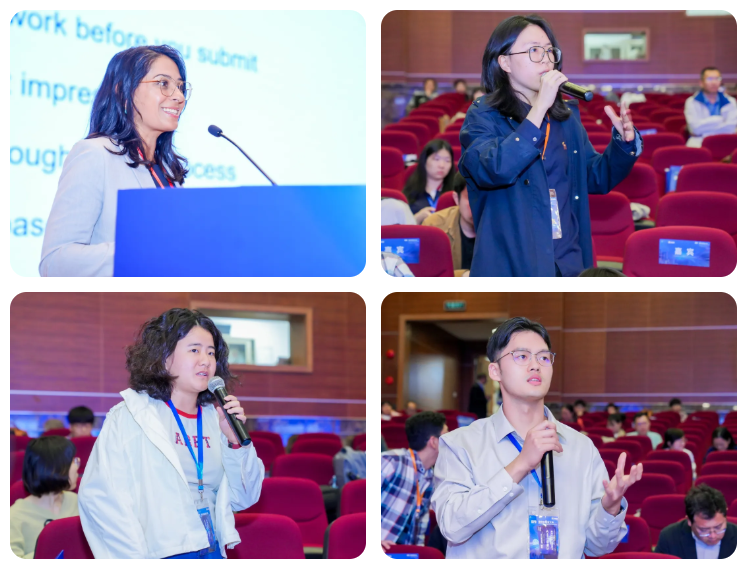
03 Building a Standardized Future: Accelerating Industry-Academia-Research Integration
Over two days of in-depth dialogue, participants engaged in forward-looking discussions on the latest advances and future directions of organoid technology. A key consensus emerged: standardization, scalability, and international collaboration are essential to the future development of the field. Experts agreed that, through interdisciplinary cooperation and policy support, organoid technology holds unprecedented potential in disease modeling, drug screening, precision medicine, and regenerative medicine.
The conference bridged academic insight with industrial application, precisely connecting R&D leaders from pharmaceutical companies, top-tier research institutions, and healthcare investment representatives. It fostered deep communication across the upstream and downstream industry chain and offered timely perspectives on organoid standardization and regulatory policy evolution, delivering multidimensional commercial value and technological empowerment to exhibitors.
Notable industry speakers included Dr. Long Zhang, Head of the Organoid Drug Platform at Danwei Medical; Yezhou Lu, Applied Scientist at Celidox; Yongyu Xu, Market Development Manager at Revvity; Yandong Sun, Product Director at MegaRobo; Haiqing Luo, Founder of BioGenomics; and Qian Zhao, General Manager at Guanxin Bio. Their presentations covered topics such as the advantages of organoids as drug discovery models, policy support, and the optimization of 3D organoid modeling and analysis using real-time live-cell imaging technologies.
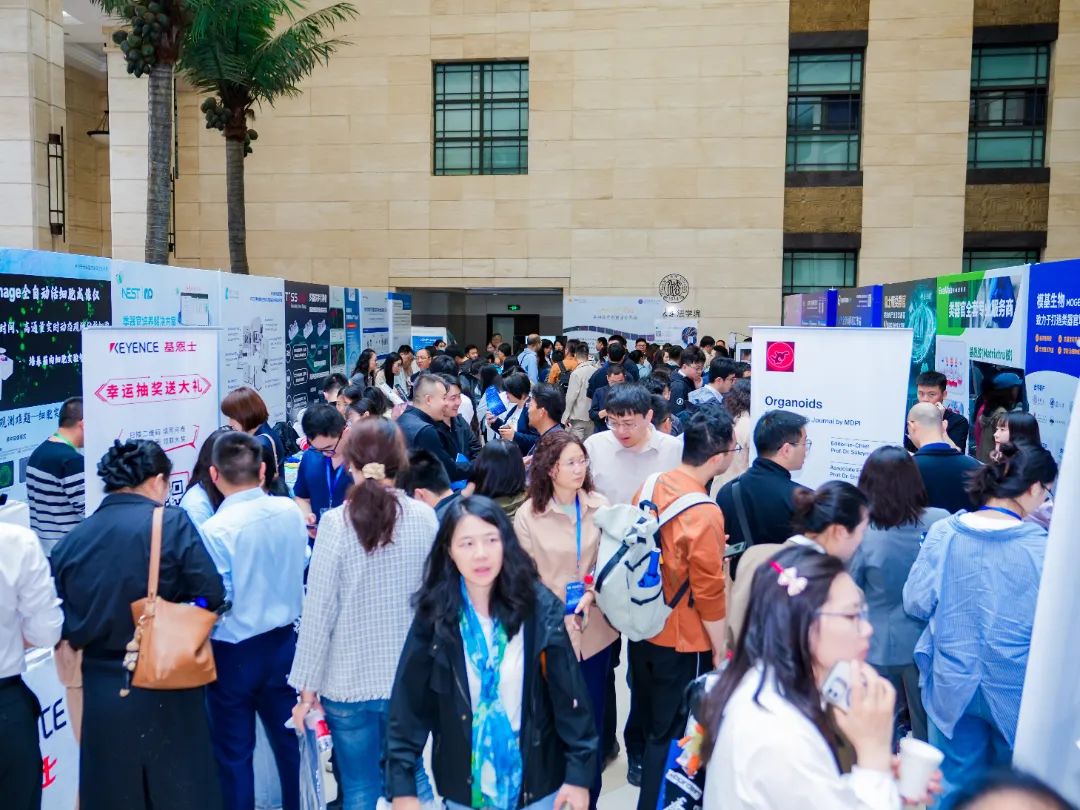
The successful hosting of the 2025 International Organoid Conference not only established a high-level communication platform for global scientists but also significantly advanced the deep integration of industry, academia, and research in organoid technology. Looking ahead, ISFO remains committed to working with global partners under the mission "Unleash Boundless Innovation, March Towards New Horizons." — accelerating the clinical translation and application of organoid technologies and contributing to the advancement of human health.